
WASHINGTON — Education Secretary Arne Duncan and Attorney General Eric Holder teamed up to launch a new project between their two agencies to try to reduce the growing school-to-prison rate among young people.
The Supportive School Discipline Initiative, announced during a meeting of the Coordinating Council on Juvenile Justice and Delinquency Prevention, will create closer coordination between federal, state and local stakeholders in education; establish more guidance to ensure schools are complying with the nation’s civil rights laws and improve students’ learning environment, according to the cabinet secretaries.
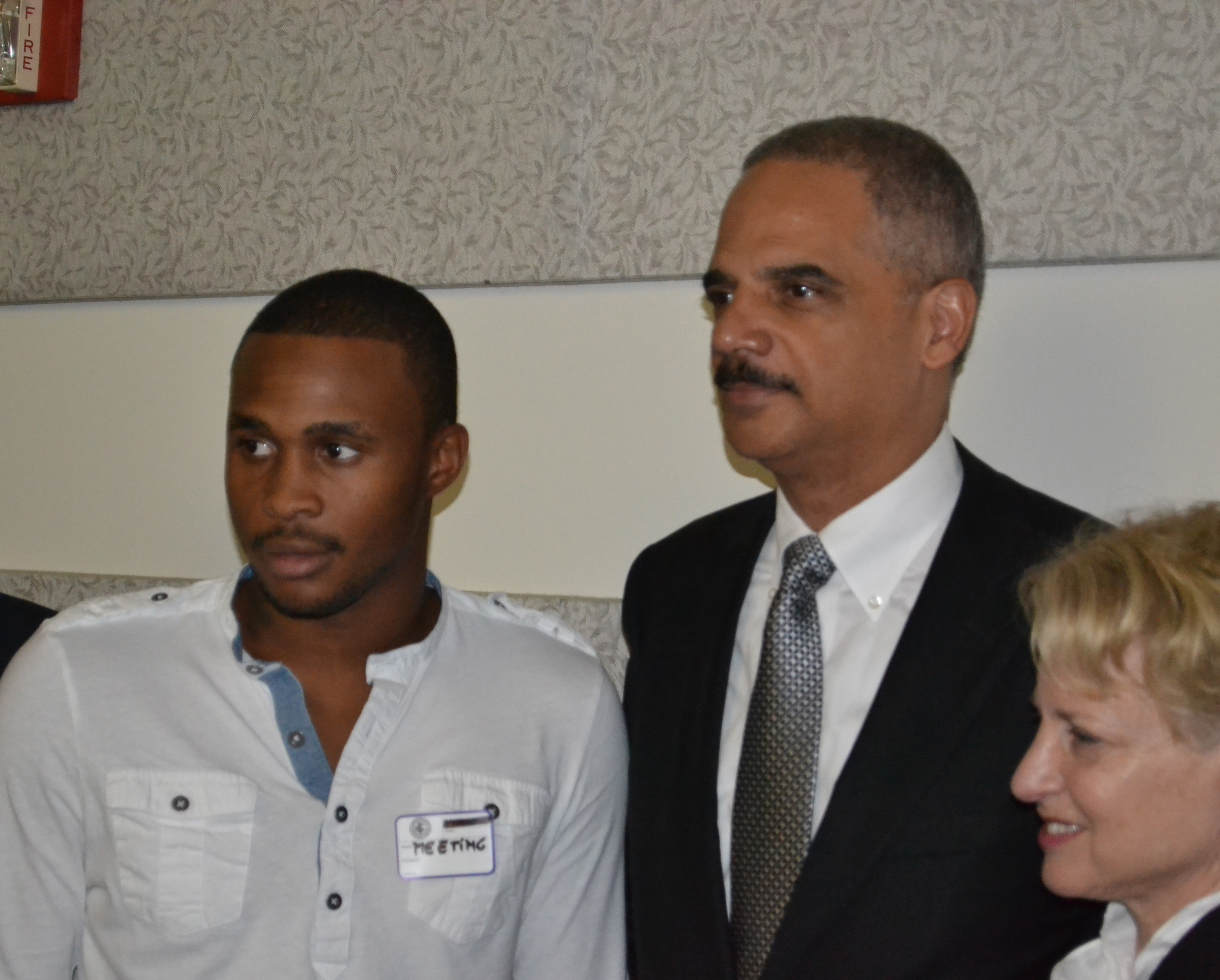
Its purpose, Duncan said, is to respond to the growing school-to-prison rate and to support good discipline practices to foster a better learning environment in the classroom.
Officials said the effort is aimed at curbing what they call “the school-to-prison pipeline.” Over 100,000 students nationally are in a juvenile justice system. Studies show that about two-thirds of those youngsters will drop out of school once they are released from custody.
“We are going to transform opportunities for young people to ensure success,” Duncan said. “By teaming up with stakeholders on this issue and through the work of our offices throughout the department, we hope to promote strategies that will engage students in learning and keep them safe.”
To emphasize his point, Duncan recalled a conversation he had with a police officer as head of Chicago’s public schools. The officer said that educators were the reason for the escalation of juvenile arrest rates because they were frequently calling the police to pick up troubled kids from school even when it wasn’t necessary, Duncan said.
Joanne Karger, an attorney with the Center for Law and Education, picked up that idea, criticizing schools for pushing students out of the classroom and into the justice system too quickly.
“Schools push out policies and processes further perpetuate educational inequities… kids who get in trouble are more likely to experience these challenges,” she said.
“In the juvenile justice system [kids] are given a low education experience.”
Holder and Duncan said their departments will implement the new initiative by coordinating with other organizations in the non-profit and philanthropic communities.
During the meeting, 21-year-old Brandon McMillian of Washington stressed the importance of helping young people continue their education despite legal troubles.
McMillian said he was forced to leave school because of “wrong activities” and poor grades, and was placed in the secure residential detention center for Washington, DC.
It was a turning point: He got involved in Mentoring Today, an organization that provides volunteer mentors for incarcerated youth, and he started a project called Fighting for Rights, Education, and Employment.
“It is a way that you can stop thinking like a criminal and brighten your mind to other things and there’s a future for you,” McMillian said.