
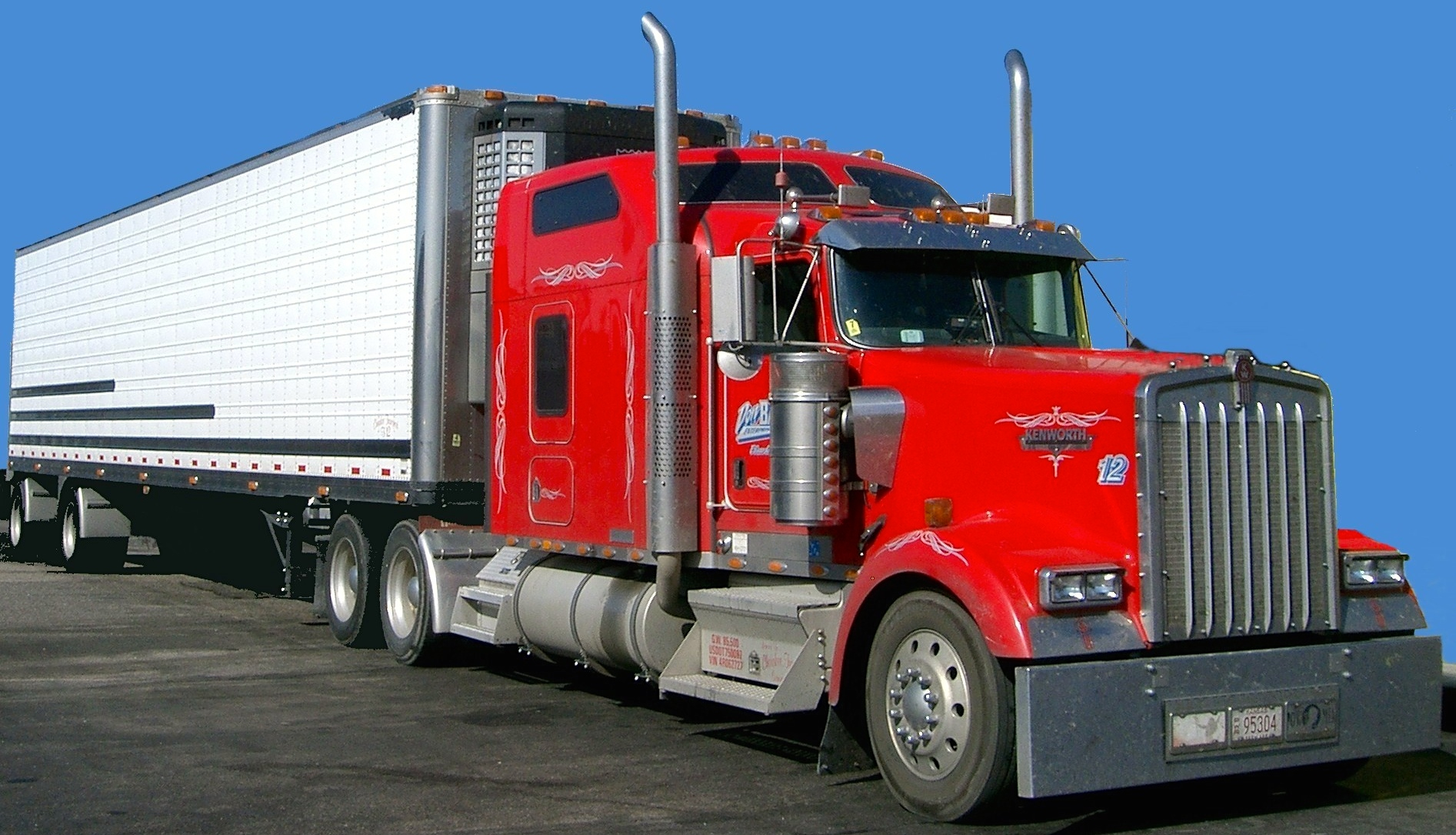
WASHINGTON – Nearly three-quarters of U.S. consumers favor requiring truck manufacturers to increase the fuel efficiency of large trucks as a way to cut fuel costs that are passed on to consumers, the Consumer Federation of America said Thursday, citing polling results.
However, industry trade group American Trucking Associations says greater fuel efficiency translates to upfront investment costs for trucking companies that must be recouped.
“Our industry supports fuel efficiency, but it has to be done in a logical manner,” said Glen Kedzie, energy and environmental counsel for the group. “We need to make sure that the trucking companies that purchase these technologies can get a return on their investment while they own that vehicle.
“Keep in mind that about 97 percent of trucking companies are considered small businesses … These technologies, while they improve fuel efficiency, they substantially increase the cost of that vehicle.”
CFA spokesman Jack Gillis said any expenses caused by increasing fuel efficiency have a very short payback period.
“We are very confident that any cost associated with the increased fuel efficiency of a vehicle is going to be dramatically offset by lower operating cost for that vehicle,” he said.
A CFA report released this year estimates the average American household annually spends $1,100 extra to cover the costs of fueling inefficient trucks. Increasing truck fuel efficiency by 50 percent would save the average household about $250 per year, according to the report.
Fuel is the top operating expense for most trucking companies, accounting for about 39 percent of the cost to transport goods, according to the American Trucking Associations.
President Barack Obama has ordered the Department of Transportation and the Environmental Protection Agency to create updated fuel-efficiency standards – as well as improved greenhouse gas emissions standards – for medium- and heavy-duty vehicles by March 2016.
The Obama administration has said previous standards will save vehicle owners and operators $50 billion in fuel costs and reduce consumption by 530 million barrels of oil.
“We are very hopeful that these will be aggressive standards,” Gillis said. “Not only will this save money for consumers, but it will dramatically reduce operating costs for the owners of big trucks.”
But Kedzie said trucking companies expect a more “economically achievable” second round of standards from the upcoming negotiations with federal regulators, as heavy-duty truck owners have seen substantial cost increases in previous attempts to address emissions.
“2007 emission standards increased the cost of a new truck by another $10,000,” Kedzie said. “In 2010, they increased the cost of a truck by another $10,000 … And there were no returns on investment addressing those emissions by EPA at that point of time.”
Published in conjunction with